
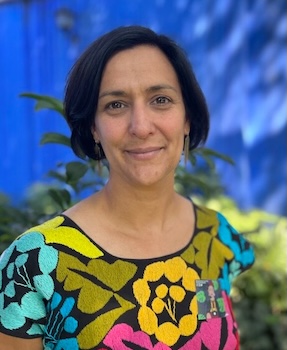
Dr. Caroline Faria, Associate Professor in the Department of Geography and Environment at the University of Texas Austin and leading feminist geographer will be delivering a keynote lecture entitled "Omwavu Wakuffa, 'The poor must die': intersectional power, climate crisis, and the floodwaters of urban development in Kampala, Uganda."
In the streets, alleyways, markets, and homes of Kampala, Uganda, the water is rising. Climate change is commonly cited as the cause – decried by international development agencies, environmental groups, and scholars, along with the Ugandan government itself. But the murky floodwaters conceal more complex political ecologies of land and water, including their gendered, racio-colonial, and neoliberal sediments. Residents make sense of the city’s devastation with the words “Omwavu Wakuffa."the poor must die. A Lugandan refrain, it reflects the fall out of power in the country: colluding elite national and international exploitation and land theft, enabled by overt militarism and quiet, threatening, persuasion. In this article, we engage this turn of phrase to better understand climate crises in global south cities like Kampala. To do so, we examine the drivers and devastating impacts of flooding in Ntinda/ Nakawa and connected sites across the city, linking the clearly monumental impacts of planetary warming with the grounded politics of land speculation, wetland destruction, and governmental tensions between environmental protection and elite control. These dovetail with seemingly conflicting, but often colluding, international dictates of economic growth and environmental sustainability. A story unfolding across the global south, our work connects political ecologies of flooding with interventions from feminist urban geography and global racial capitalism, pushing for attention to the ways capitalist destruction relies on, and entrenches, gendered and racialized logics, and their colonial past-presents: logics of human and environmental disposability, devaluation, waste, and inevitable death. Disrupting these logics, these framings also demand intersectional, anti-racist, and feminist attention: seeking out everyday life-sustaining and place-making as the city’s floodwaters rise.