
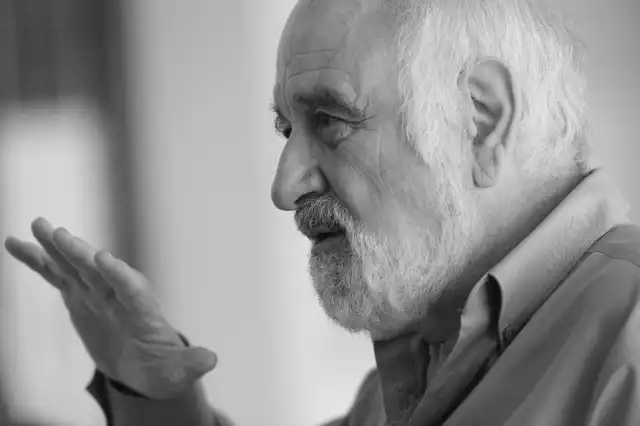
Architectural design shapes human experience not only through form and material, but through the structuring of perception, anticipation, and embodied action. This lecture examines how affordances, scripts, and atmospheric flow illuminate the temporal dynamics of architectural experience. Drawing on research at the intersection of neuroscience, phenomenology, and architectural theory, Professor Michael A. Arbib—Distinguished Professor Emeritus of Neuroscience, Psychology, and Computer Science at the University of Southern California—explores how spatial configurations guide affective alignment over time and how empirical approaches deepen our understanding of lived experience.
This guest lecture is part of ARCH 8132 | ARCH 3030 (Wei), Spring 2026: Empirical Research for Emotive Design.