
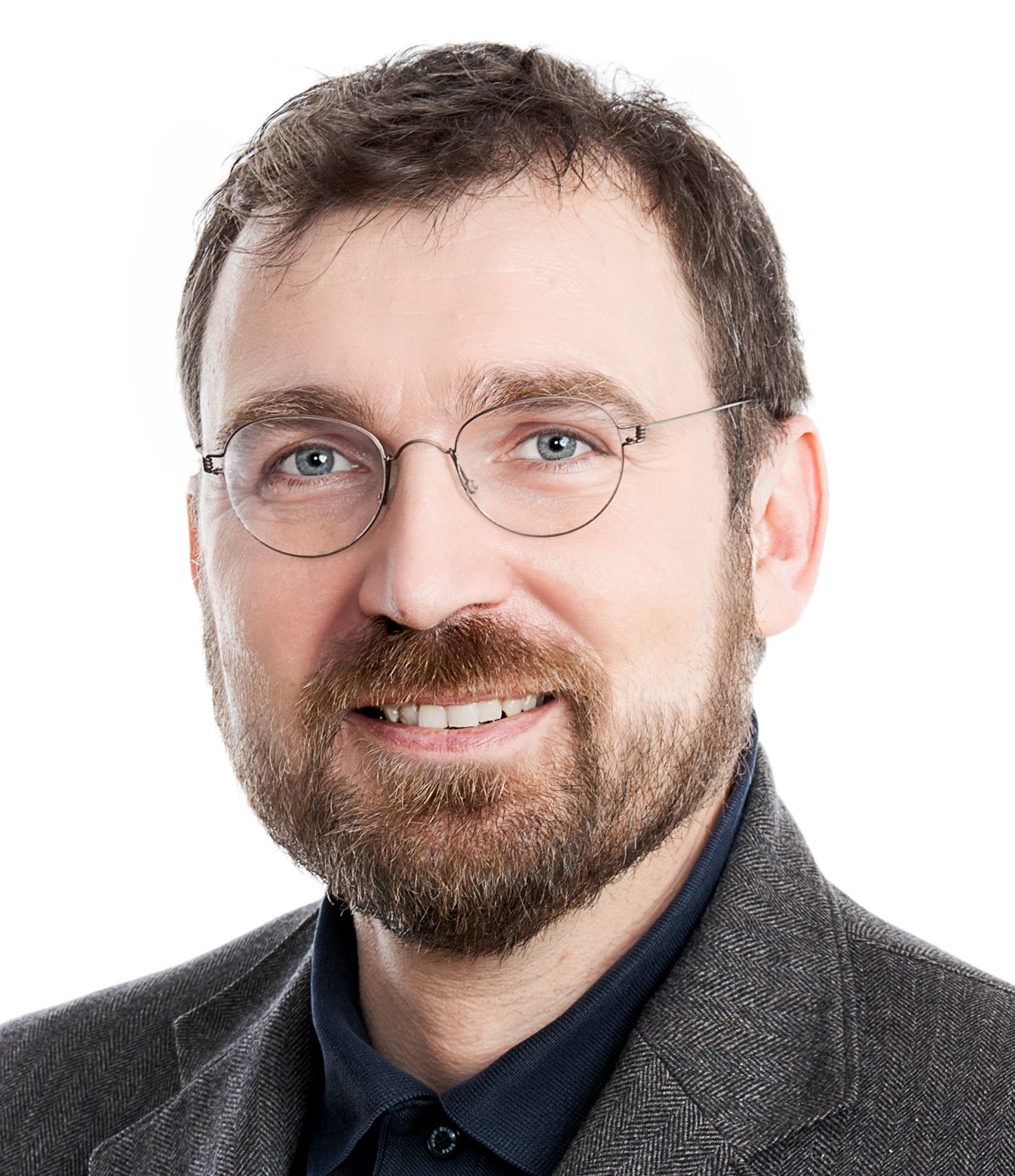
Speaker: Dr. Dirk Trauner
Title of Talk: The Art of Picking a Target Molecule
Abstract: Conceptual novelties and trends may come and go in organic chemistry, but total synthesis endures—both as a powerful driver of chemical innovation and as a deeply rewarding intellectual pursuit. In this lecture, I will offer a personal perspective on what motivates me to choose a synthetic target, illustrated by recent work from my group.
Short Bio: Dirk Trauner was born and raised in Linz, Austria, studied biology and chemistry at the University of Vienna, and received his Master’s degree in chemistry from the Free University, Berlin. He then pursued a Ph.D. in chemistry under the direction of Prof. Johann Mulzer, with whom he moved to the University of Frankfurt and then back to Vienna. Subsequently, he became a postdoctoral fellow with Prof. Samuel J. Danishefsky at the Memorial Sloan-Kettering Cancer Center. After two years in New York City, Dr. Trauner joined the Department of Chemistry at the University of California, Berkeley, where he rose through the ranks to become an Associate Professor of chemistry (with tenure) and a member of the Lawrence Berkeley National Laboratory. In the summer of 2008, he moved to the University of Munich, where he served as a Professor of Chemical Biology and Chemical Genetics. In March of 2017 he returned to the U.S. to serves as the Janice Cutler Chair of Chemistry at New York University. Finally, in July 2022, he became a Penn Integrates Knowledge Professor at the University of Pennsylvania with an appointment in the Perelman School of Medicine and in the Department of Chemistry. He is a member of the Leopoldina Academy of Sciences and the Austrian Academia of Sciences, a recipient of the Otto Bayer Award, the Emil Fischer Medal, an ACS Cope Scholar Award, and a Sloan Fellowship. The broad objective of Prof. Trauner’s research is to demonstrate the awesome power of chemical synthesis and to use it toward the precision control of biological pathways, especially in neuroscience.